

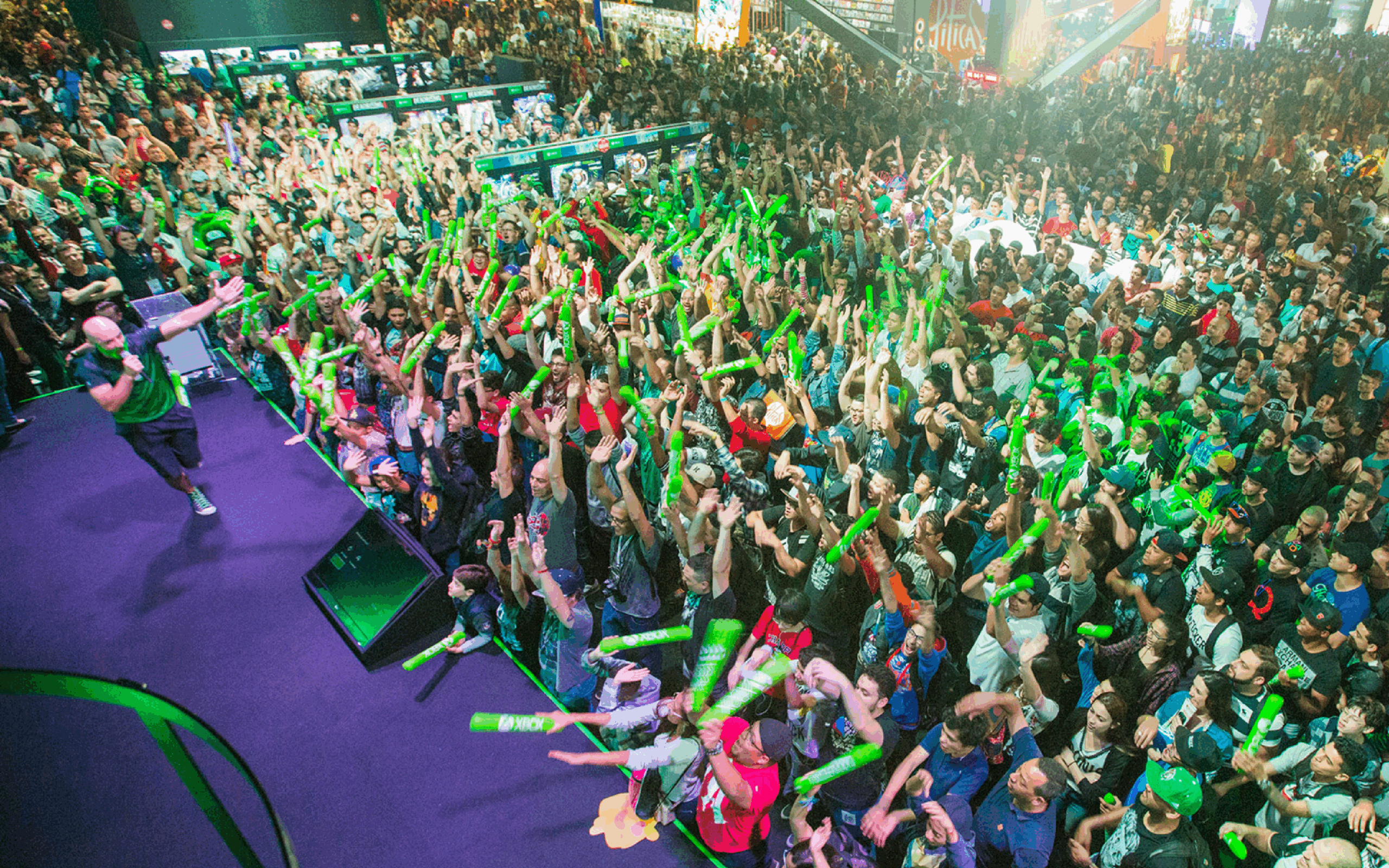
An event can bring hundreds of people into one room and still leave many of them watching rather than participating.
As expectations evolve, that distinction matters. Audiences may attend for knowledge, relationships and inspiration. But what turns attendance into engagement? The quality of the opportunities to contribute, exchange and explore.
What attendees say they want
Bizzabo’s 2025 State of Events and Industry Benchmarks report, based on 1,558 online survey responses collected in November 2024, offers a useful picture of the challenge. It reports that 75% of attendees said immersive experiences help them disconnect and engage more deeply. Yet only 23% said their most recent in-person event featured plenty of interactive sessions.
These results raise a valuable design question: are event programs offering sufficient opportunities for active participation?
Participation is more than an activity
Interactive screens, games and installations can be useful, but interactivity is not automatically meaningful. The stronger test is whether an activity advances the experience objective. Can someone contribute an idea, make a choice, practise a skill, discover something about a product or connect with another person?
A thoughtful experience creates a reason for participation. It also respects different motivations: not everyone wants the spotlight, and not every moment needs to be programmed.
Designing for connection and breathing room
Bizzabo also found that 73% of attendees emphasised the importance of free time in event schedules. This is a useful counterweight to the pressure to fill every minute with content and activations. Opportunities for reflection, informal conversation and self-directed discovery can be as valuable as planned sessions.
For brands, that suggests balancing different forms of engagement: structured participation for shared goals, open exploration for personal relevance, and unscripted time for authentic conversations.
Measure the experience, not just the schedule
A long program or a busy activation does not necessarily indicate success. More useful questions include: Who participated and who did not? Which interactions produced understanding or connection? Were visitors able to act on what they learned? Did their perceptions change afterwards?
This can be measured through participation data, observation, short surveys and, where practical, follow-up outcomes. The right indicators depend on the experience objective, not on which technology is easiest to count.
From attendance to involvement
At VOQIN’, experience design starts with the audience: what we want people to perceive, feel and do. The lesson from this research is not that every event needs more interactive elements. It is that brands should design more intentional opportunities for meaningful involvement and allow enough room for people to make the experience their own.
A memorable event is not only something people attend. It is something they can take part in.
Ready to build connections through emotion? Get in touch!


