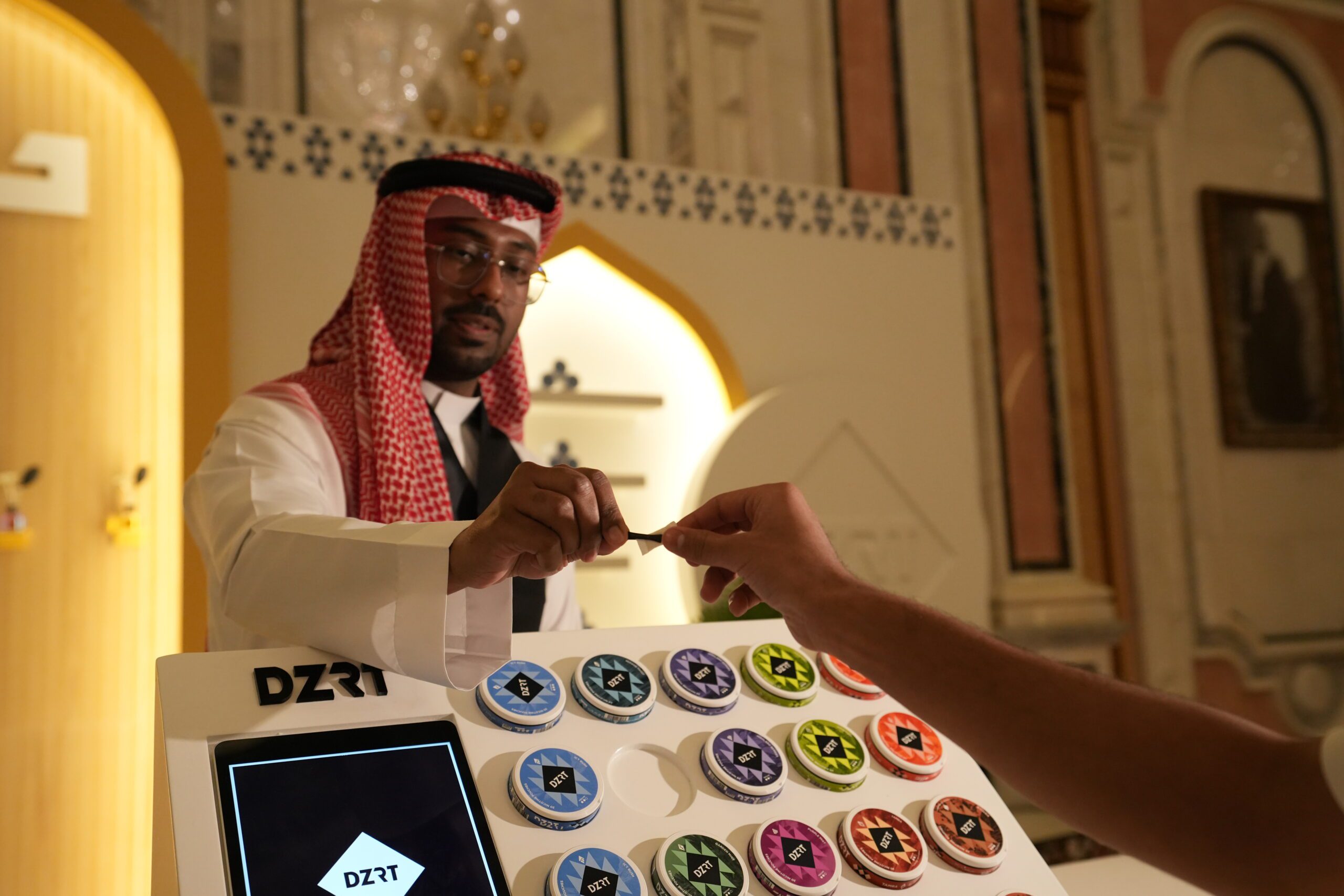
What changes when a brand stops being a message on a screen and becomes a person, a conversation or an experience?
Trust is one of marketing’s most valuable outcomes and one of its most difficult to earn. Campaigns can introduce a promise. But direct interaction gives people an opportunity to examine how a brand behaves: how it listens, responds and delivers on that promise.
What the research says
The 2025 Freeman Trust Report, developed with The Harris Poll, surveyed 1,824 US working professionals who had attended a qualifying in-person event in the preceding 12 months. Freeman reports that 95% of attendees trusted brands more after an in-person event. Separately, 95% said they trusted the brand to be good at what it does, 94% trusted it to be honest, and 93% to keep its promises.
From exposure to interaction
The strategic value of live brand experiences lies in what a physical interaction makes possible. Rather than simply presenting information, brands can create space for a product demonstration, a useful exchange, a response to a concern or a memorable moment of participation. Each moment can become evidence of how a brand treats people.
This changes the creative brief. The question is not only how many people will see the experience, but what they will have the opportunity to discover, feel and do. Does the interaction make the brand easier to understand? Does it reduce uncertainty? Does it allow a genuine exchange rather than a staged encounter?
What should brands measure?
If trust is an objective, footfall and impressions cannot be the only measures of success. A stronger evaluation connects experience design to brand outcomes: pre and post-event brand perceptions, perceived authenticity, understanding of the offer, willingness to engage again, and follow-up behavior (when appropriate).
These measures are not interchangeable. A positive emotional reaction may be meaningful, but it is not the same thing as a purchase, customer loyalty or an incremental change in brand trust. Each requires its own evidence.
Why experience design matters
At VOQIN’, we approach experiences through our Emotional Thinking Methodology: considering not just what an audience will see, but how the experience is intended to shape perception, feeling and action. Research such as Freeman’s reinforces the relevance of investigating these outcomes.
The opportunity for brands is to design encounters worth trusting and to evaluate what those encounters actually change. Because showing up creates an opening. What happens in the room determines whether it becomes meaningful.
Ready to build connections through emotion? Get in touch!